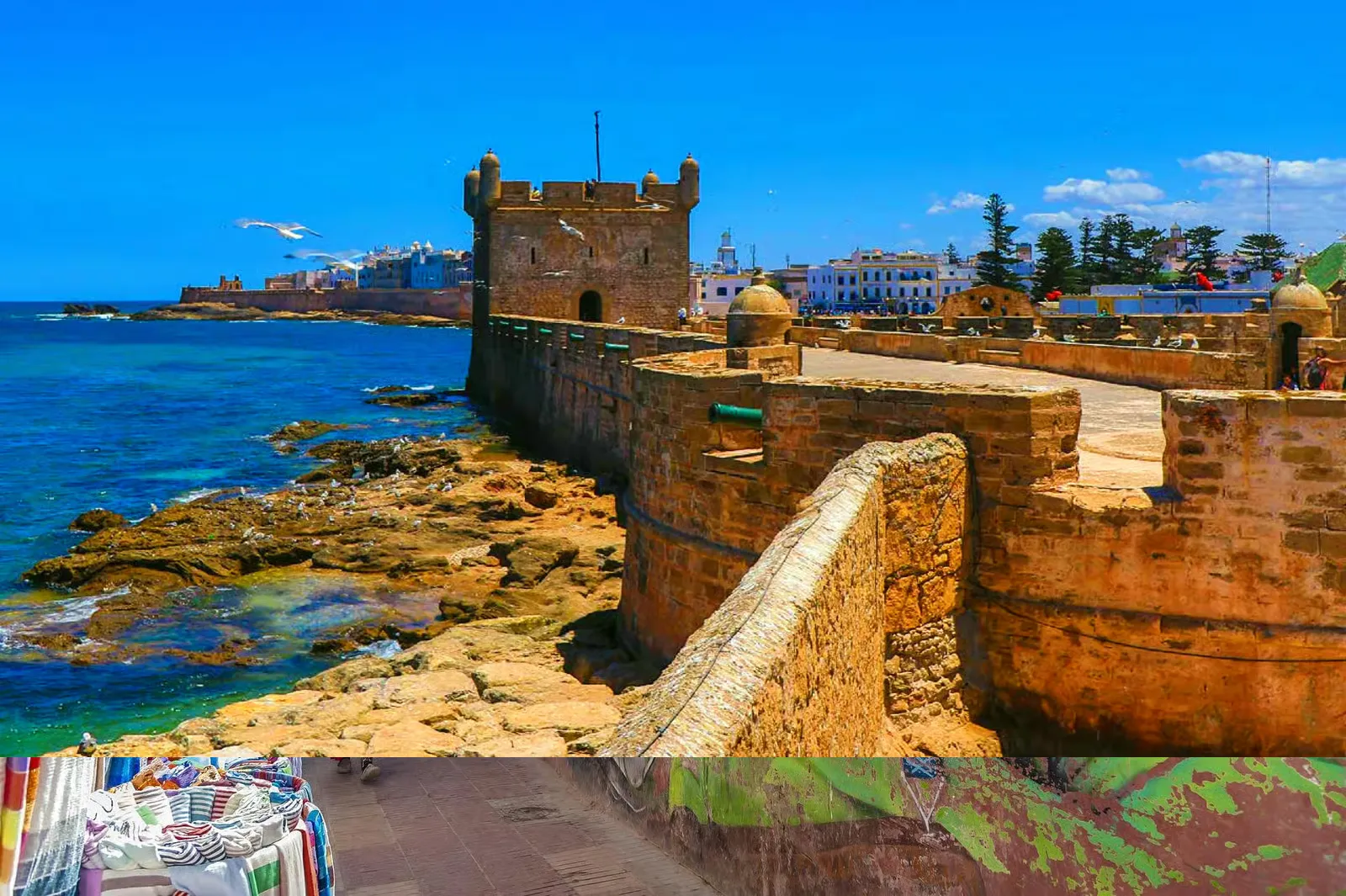
Morocco welcomed millions of international visitors in recent years, and tourism is one of the country's most important industries. But rapid growth brings pressure on local communities, fragile landscapes, and traditional ways of life. Travelling responsibly is less about sacrifice and more about making better choices — ones that leave a genuine positive mark.
Support Local Businesses
The single most impactful thing a traveller can do is spend money locally. This means choosing locally owned riads over international chains, eating at family-run restaurants over tourist-focused terrace cafés, and buying crafts directly from artisans in the souks rather than from large souvenir shops that may source goods from outside Morocco.
- Book your excursions with a local operator — not an international platform that takes the majority of the fee
- Hire local guides who speak the language and know the communities
- Buy artisan goods — leather, ceramics, argan oil, textiles — direct from the maker
- Tip generously: a 10–20 dirham tip for a local guide or porter makes a real difference
Respect Cultural Norms
Sustainable tourism is not only environmental — it is also cultural. The medina of Marrakech is a living community, not a theme park. Residents, students, and tradespeople use the same lanes that tourists photograph. Treating those spaces with respect protects the authenticity that makes them worth visiting.
- Dress modestly, particularly in the medina and in smaller villages on excursions
- Always ask permission before photographing people, especially women and children
- Learn a few words of Arabic or Darija — "Shukran" (thank you) goes a long way
- During Ramadan, be especially mindful about eating, drinking, or playing loud music in public during daylight hours
Low-Impact Excursions
Day trips outside Marrakech take you through some of Morocco's most ecologically sensitive environments — the High Atlas foothills, the pre-Saharan desert, and the coastal plains of Essaouira. A few simple habits reduce your footprint significantly:
- Carry and use a reusable water bottle — single-use plastic is a growing problem in Morocco's countryside
- Stay on marked paths during mountain hikes and waterfall visits to protect vegetation
- Do not disturb wildlife or take natural souvenirs (shells, rocks, plants) from natural sites
- Choose smaller group tours over mass transport when possible — they cause less congestion and distribute revenue more broadly
- On camel or horse experiences, choose operators who visibly maintain animal welfare standards
How Morocco City Trips Approaches Responsible Tourism
We are a locally run operator based in Marrakech. Every guide we work with is Moroccan, every partner business is local, and we keep group sizes small by design. We do not work with operators who compromise on animal welfare, and we actively encourage clients to spend in communities they visit rather than carrying everything from the city.
If you want to travel with minimal impact and maximum authenticity, get in touch and we will tailor your experience accordingly.